1099-K Rules in 2026: Payment Apps, Marketplaces, and What to Expect
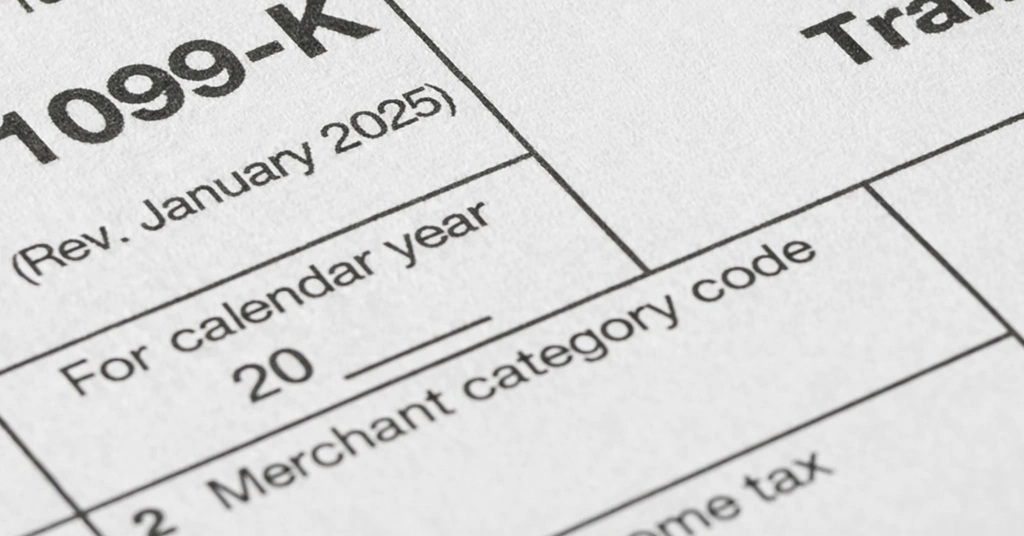
Form 1099-K is a tax document issued by payment settlement entities, including credit card processors, online marketplaces, and payment apps such as PayPal, Venmo, Cash App, and Etsy, when you receive payments above certain thresholds. For the 2026 filing season covering the 2025 tax year, 1099-K reporting rules have continued to evolve, and millions of Americans are receiving these forms for the first time. Understanding what the form means, how to report it, and what to do if you receive one for personal transactions is essential.[1][2]
What Is Form 1099-K?
Form 1099-K, Payment Card and Third Party Network Transactions, reports gross payments received through a payment settlement entity. The form was originally designed to capture merchant income from credit card transactions, but expanded rules now cover app-based payments, online marketplace sales, and peer-to-peer platform receipts.[1][3]
The Threshold History and 2025 Rules
Before 2022, Form 1099-K was only required when a taxpayer had more than $20,000 in gross receipts and more than 200 transactions through a platform. The American Rescue Plan Act of 2021 lowered the threshold to $600 with no transaction minimum, effective for tax year 2022. However, the IRS repeatedly delayed implementation due to concerns about taxpayer confusion and system readiness.[1][2]
For 2025, the IRS implemented a transitional threshold of $5,000 as a phased approach toward the eventual $600 statutory threshold. This means that if you received more than $5,000 in payments through a covered platform in 2025, you should expect to receive a 1099-K.[2][3]
Which Platforms Issue 1099-K?
Platforms required to issue 1099-K include:[1][2]
Payment apps: PayPal (for goods and services payments), Venmo Business, Cash App for Business, Zelle through merchants
Online marketplaces: eBay, Etsy, Amazon Seller, Poshmark, Mercari, StubHub
Gig platforms: Uber, Lyft, DoorDash, TaskRabbit, Fiverr, Upwork
Rental platforms: Airbnb, Vrbo
Credit card processors for businesses
Personal Transfers Are Not Taxable Income
A common source of confusion is receiving a 1099-K for transactions that are not actually taxable income. Splitting dinner costs with friends, reimbursing someone for a shared expense, or receiving personal gifts through Venmo or PayPal are not taxable transactions even if they trigger a 1099-K.[1][3]
If you receive a 1099-K that includes non-taxable personal transactions, you must still reconcile the amount on your return. The IRS receives a copy of the form and expects to see the gross amount addressed on your return. You would report the gross 1099-K amount and then offset it with an explanation or adjustment showing the non-taxable portion.[2]
How to Report 1099-K Income
Where you report 1099-K income depends on the nature of the income:[1][2]
Business income from self-employment or freelancing: Report on Schedule C
Sales of personal items at a gain: Report on Schedule D as a capital gain
Sales of personal items at a loss: Generally not deductible for personal assets, and the loss is not reported
Rental income: Report on Schedule E
If you sold used items at a loss, such as old furniture, clothing, or electronics, for less than what you paid for them, the proceeds are generally not taxable even if they appear on a 1099-K. Keep purchase receipts for items you sell to document the absence of a taxable gain.[3]
Reconciling Your 1099-K
The gross amount on your 1099-K may include fees, refunds, and other adjustments that reduce your actual net income. Your actual reportable income is the net after deducting platform fees, refunds issued, and returns accepted. Keep records of your sales and refund activity to support an accurate net income figure.[1][2]
What If the Amount Is Wrong?
If you receive a 1099-K that you believe is inaccurate, contact the issuing platform to request a correction. Do not simply ignore the form, as the IRS will compare the amount reported on the 1099-K against what appears on your return. If you cannot get a corrected form, you can still file an accurate return and include documentation explaining any discrepancy.[2][3]
Conclusion
The expansion of 1099-K reporting reflects the IRS's effort to bring more gig economy and digital marketplace income into the reporting system. Whether you sell handmade goods on Etsy, drive for a rideshare service, or simply split expenses with friends, understanding which transactions are taxable and how to report your 1099-K accurately keeps you compliant and minimizes the risk of receiving an IRS notice.[1][2][3]
Sources
[1] IRS, Understanding Your Form 1099-K, IRS.gov/pub/irs-pdf/p5731a.pdf
[2] IRS Notice 2023-74, Transition Relief for 1099-K Reporting, IRS.gov
[3] IRS FAQ on Form 1099-K, IRS.gov/businesses/understanding-your-form-1099-k