Average Credit Card Debt in America: The Retirement Savings Killer Hiding in Plain Sight
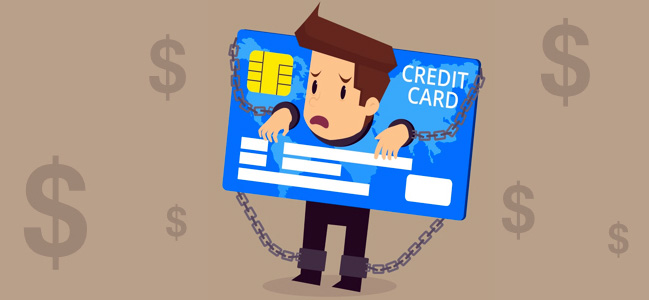
Americans carry more credit card debt than most people realize, and the relationship between that debt and retirement savings is deeply destructive. Understanding the scale of credit card debt in America—and what it actually costs over time—is essential context for anyone trying to build long-term financial security.
Reference: https://www.plootus.com/average-credit-card-debt
The Current State of American Credit Card Debt
Total U.S. credit card debt has surpassed $1.1 trillion, according to the Federal Reserve Bank of New York—a record high. The average household carrying a credit card balance owes approximately $6,000–$7,500, though this figure varies significantly by age, income, and region. Critically, these are averages across all cardholders, including those who pay in full monthly. Among households that carry revolving balances, average debt is substantially higher.
Credit Card Interest Rates: The Math That Makes This an Emergency
The average credit card interest rate in 2024 exceeds 20% APR—the highest in decades, driven by Federal Reserve rate increases. At 20% APR, a $5,000 balance with minimum payments of 2% of the outstanding balance will take over 30 years to repay and cost more than $13,000 in total interest. More than double the original amount borrowed.
Compare that to the stock market's historical average annual return of approximately 7% (after inflation). Every dollar directed to credit card repayment at 20% interest provides a guaranteed 20% return—a better risk-adjusted return than virtually any other investment available.
Credit Card Debt by Age Group
Millennials (25–40): The Squeezed Generation
Millennials carry the highest average credit card debt of any age cohort—often cited in the $5,500–$7,000 range—while simultaneously managing student loans, housing costs in expensive cities, and childcare expenses. The result is a generation with multiple competing debt obligations, making it extremely difficult to build retirement savings.
Gen X (41–56): Peak Debt, Peak Earning
Gen X carries substantial credit card debt—averaging in the $7,000–$9,000 range per cardholder—despite being in peak earning years. The combination of high income and high spending habits, plus the sandwich generation burden of supporting both children and aging parents, creates persistent credit card reliance.
Baby Boomers (57–75): Carrying Debt Into Retirement
Perhaps most concerning is the growth of credit card debt among older Americans. Many Baby Boomers are carrying $4,000–$6,000+ in credit card balances into retirement—a situation that can rapidly deplete fixed retirement income. On a $2,500 monthly Social Security check, a $200 monthly minimum credit card payment represents 8% of total income.
The Hidden Retirement Cost of Credit Card Debt
The true cost of credit card debt on retirement security is best understood through opportunity cost. If a 35-year-old carries a $6,000 credit card balance for five years (paying approximately $100/month in interest) instead of investing that same $100/month, the lost investment opportunity—at 7% annualized growth—totals roughly $7,100 in foregone retirement savings over those five years. Over the following 25 years to retirement, that $7,100 would have grown to approximately $38,000.
Credit card debt doesn't just cost what you pay in interest. It costs the investment returns you would have earned on money redirected to debt service.
Strategies for Eliminating Credit Card Debt
Two proven payoff methods work well for different psychology types:
Avalanche method: Pay minimums on all cards, put all extra money toward the highest-interest card first. Mathematically optimal—minimizes total interest paid.
Snowball method: Pay minimums on all cards, put all extra money toward the smallest balance first. Provides psychological wins that sustain motivation.
Regardless of method, the critical step is stopping the accumulation of new debt while paying down existing balances. Balance transfer cards offering 0% introductory APR can provide temporary relief, but only if you're disciplined enough to pay off the balance before the promotional period expires.
Building the Bridge Between Debt Freedom and Retirement Security
The optimal sequence for most households: (1) build a small emergency fund ($1,000) to prevent new credit card debt, (2) capture any employer 401(k) match (it's a guaranteed return that beats even credit card interest rates in most cases), (3) aggressively pay down credit card debt, (4) fully fund emergency reserves, and (5) maximize retirement contributions.
Eliminating credit card debt isn't just about financial hygiene. It's one of the highest-return financial moves available—and every month of high-interest debt is a direct transfer of your retirement wealth to a credit card company.