Average Monthly Expenses by State: What It Actually Costs to Live in America
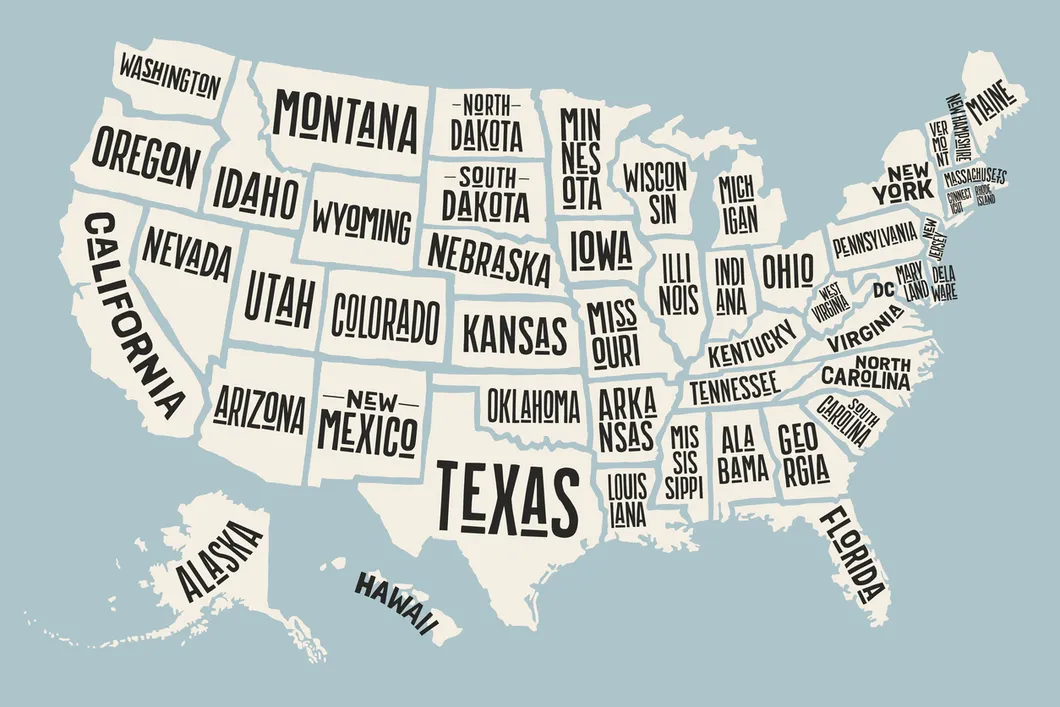
When financial planners talk about "retirement expenses," they often use national averages as benchmarks—but a retiree in rural Mississippi and a retiree in San Francisco live in completely different financial universes. Where you live may be the single biggest variable in determining whether your retirement savings are sufficient, and understanding state-by-state cost differences is essential for anyone making a relocation decision or building a retirement income plan.
Reference: https://www.plootus.com/average-monthly-expenses-by-state
The State Cost-of-Living Gap Is Larger Than Most People Realize
Monthly living expenses for a single person can range from roughly $2,500 in low-cost states like Mississippi, Arkansas, or West Virginia, to $5,000–$7,000+ in high-cost coastal states like California, New York, or Hawaii. For a couple, these figures roughly double. Over a 25-year retirement, choosing a $2,000-per-month cheaper state means $600,000 in cumulative savings—enough to fund years of additional retirement income.
The Core Expense Categories That Vary Most by State
Housing: The Dominant Variable
Housing is typically the largest budget line in retirement, representing 30–40% of total monthly spending for most retirees. Median home prices range from under $150,000 in several Midwest and Southern states to over $800,000 in California and Hawaii. Property taxes add another layer of variation—New Jersey's effective property tax rate exceeds 2%, while Hawaii's is under 0.3%.
Renters face similar disparities. A two-bedroom apartment that costs $800/month in Memphis may cost $3,500+ in San Francisco. For retirees who don't own their homes—or who plan to downsize and rent—this gap directly impacts portfolio sustainability.
Healthcare: The Retirement Wild Card
Healthcare costs don't vary as dramatically by state as housing, but they vary meaningfully. Medicare premium costs are national, but Medicare Advantage plan premiums and benefits vary significantly by county. Out-of-pocket costs, dental care expenses, and long-term care costs all show meaningful geographic variation.
Food and Groceries
Grocery costs vary by approximately 15–25% between the cheapest and most expensive states. The USDA's Thrifty Food Plan estimates that a frugal couple can spend around $450/month in low-cost areas but $600–$700 in high-cost urban areas on groceries alone.
Transportation
Transportation costs are highly dependent on lifestyle and density. Retirees in car-dependent suburban or rural areas need to budget for vehicle ownership, insurance, maintenance, and fuel. Urban retirees in transit-rich cities may need little or no personal vehicle. The average American household spends about $10,000/year on transportation—a figure that can drop to $3,000–$4,000 in transit-friendly cities.
State Income Taxes on Retirement Income
Nine states have no income tax at all: Alaska, Florida, Nevada, New Hampshire, South Dakota, Tennessee, Texas, Washington, and Wyoming. Several others exempt Social Security and pension income from state taxes. For retirees with significant traditional IRA or 401(k) distributions, moving from a high-tax state like California (up to 13.3% top marginal rate) to a no-income-tax state can save thousands annually.
Real-World Monthly Budget Comparisons
For illustrative purposes, consider a retired couple's estimated monthly expenses in three different states, covering housing, groceries, healthcare out-of-pocket, utilities, transportation, and entertainment:
Low-cost state (e.g., Arkansas, Mississippi): $3,000–$4,000/month
Mid-cost state (e.g., Ohio, North Carolina): $4,500–$5,500/month
High-cost state (e.g., California, New York): $7,000–$9,000+/month
How Monthly Expenses Affect Retirement Planning
If you're planning retirement with a $1 million portfolio, the 4% rule suggests $40,000/year ($3,333/month) in sustainable withdrawals. In a low-cost state where your monthly budget is $3,500 (supplemented by $2,000 in Social Security), that withdrawal rate works. In a high-cost state where your monthly budget is $7,500, the same Social Security plus $3,333 in portfolio withdrawals leaves a $2,000 monthly gap—or requires either a higher withdrawal rate or significantly more assets.
Factors Beyond the Budget
Cost of living is not the only consideration when choosing a retirement location. Quality and accessibility of healthcare, proximity to family and friends, climate and lifestyle preferences, state taxes beyond income (property, estate, sales), and community engagement opportunities all matter. The cheapest state to live in may not be the best retirement destination—but understanding the true cost difference allows you to make that tradeoff consciously, rather than discovering it after you've moved.
Using Expense Data in Your Planning
Build your retirement budget using specific costs for your target location—not national averages
Model two or three location scenarios to see the portfolio impact of each
Account for healthcare cost growth, which tends to outpace general inflation
Consider a trial period—rent in a potential retirement location for a year before committing
Use state comparison tools to quantify the financial impact of relocation decisions