The Impact of Health Care Costs on Retirement Planning
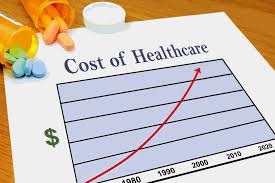
Health care costs are a significant—and often underestimated—threat to retirement security. Rising medical expenses, coupled with increased longevity and health care inflation, can quickly erode savings if not included in a comprehensive plan. Recent studies show that many Americans are unprepared for this financial burden, putting their retirement stability at risk.
The Scope of the Health Care Challenge
A 65-year-old retiring in 2025 can expect to spend an average of $172,500 on out-of-pocket health care costs throughout retirement, according to Fidelity’s latest annual estimate. This figure encompasses Medicare premiums, co-pays, and cost sharing for medical care and prescriptions—but not long-term care. With a steady climb in costs (over 4% higher than 2024), health care remains one of the fastest-growing retirement expenses.[1][2][3][4]
Why Health Care Costs Are Rising
Longevity and Increased Needs - As Americans live longer, they spend more years paying for medical care, medication, and specialized treatments.[2]
Health Care Inflation Outpacing General Inflation - Medical costs rise faster than the broader inflation rate, meaning retirees must plan for steeper cost increases compared to other expenses.[3][2]
Medicare Coverage Gaps - Medicare does not pay for all health needs; dental, vision, hearing care, and the bulk of long-term care expenses typically come out-of-pocket.[5][2]
The Consequences for Retirees
Savings Erosion - If unplanned, escalating health care costs can force premature portfolio withdrawals or lifestyle compromises.[4][2]
Underestimation and Lack of Planning - One in five Americans has never considered health care costs in retirement, a figure that rises to one in four among Gen X. As a result, many approach retirement dangerously unprepared.[1][2][3][4]
Variability Among Individuals - Health costs vary dramatically based on health status, retirement location, age at retirement, chosen Medicare/Medigap plan, and lifestyle choices.[6]
Strategies for Managing Health Care Costs
Begin Planning Early - The earlier health care costs are incorporated into retirement planning, the greater the control retirees have over their financial future.[4][1]
Leverage Health Savings Accounts (HSAs) - HSAs allow pre-tax contributions, tax-free investment growth, and tax-free qualified withdrawals—making them a “triple tax advantage” vehicle for covering future health care needs.[7][2][1]
Select the Right Medicare and Supplement Plans - Comparing Original Medicare, Medicare Advantage, Medigap, and Part D prescription plans is crucial, as coverage differences greatly impact long-term out-of-pocket costs.[6]
Build a Dedicated Reserve - Consider earmarking a portion of savings or investing in conservative accounts specifically for health care, especially for dental, vision, and other uncovered services.
Delay Retirement if Feasible - Delaying retirement (and Medicare enrollment) can reduce the total amount needed for health care by as much as 29%, according to Milliman’s 2025 analysis.[6]
Most Critical Information
A 65-year-old retiring in 2025 can expect $172,500 in out-of-pocket health care costs over retirement, excluding long-term care.[2][3][1][4]
Health care inflation rises faster than general inflation, increasing the share of retirement expenses it consumes.[3][2]
1 in 5 Americans (1 in 4 Gen X) have not considered health care needs in their retirement planning, leaving them at risk.[1][2][3][4]
HSAs provide a triple tax advantage and are highly effective for future medical expenses.[7][2][1]
Medicare has major coverage gaps—dental, vision, hearing, and much of long-term care are usually out-of-pocket.[5][2]
Delaying retirement/Medicare can lower healthcare savings needs by nearly 30%.[6]
Build a dedicated health care reserve, compare all Medicare supplements, and begin planning early for the best protection.
Make Health Care Central to Retirement Strategy
Rising health care costs are a universal challenge for retirees, with average expected expenses now well into six figures. Proactive planning—early saving, maximizing HSA use, selecting the right Medicare options, and maintaining a health care reserve—is essential to avoid shortfalls that can jeopardize retirement dreams. By making health care a centerpiece of retirement strategy, you’ll enhance financial resilience and peace of mind for your later years.
_____________________________________________________________________________________________________________________________________________________________________________________________________________________________________________________
https://finance.yahoo.com/news/much-65-old-retiring-2025-141107061.html
https://www.plansponsor.com/cost-for-health-care-in-retirement-hits-172500-per-fidelity-report/
https://www.siekmannco.com/post/how-to-navigate-the-rising-tide-of-retirement-healthcare-costs
https://www.ncoa.org/article/why-retirement-planning-should-include-medicare-and-health-care-costs/
https://401kspecialistmag.com/healthcare-costs-for-retirees-dip-in-2025/
https://whzwealth.com/blog/how-to-keep-rising-healthcare-costs-from-killing-your-retirement