Average Student Loan Debt: How Education Debt Is Reshaping American Retirement
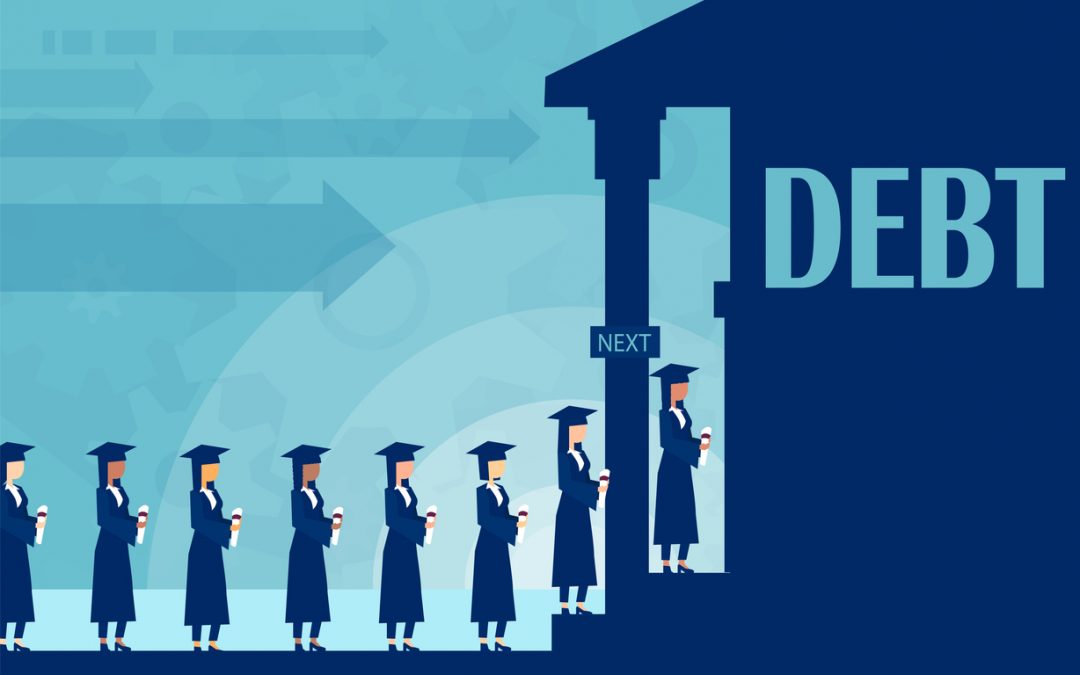
America's student loan crisis is simultaneously a consumer finance emergency and a retirement planning challenge. Outstanding student loan debt in the United States has reached approximately $1.7 trillion—exceeding both credit card debt and auto loan debt. For millions of borrowers, student loans aren't just a financial burden today—they're a force that delays wealth-building activities and compresses the retirement savings window, with consequences that ripple for decades.
Reference: https://www.plootus.com/average-student-loan-debt
The Scale of Student Loan Debt in America
According to the Federal Reserve and Education Department:
Average federal student loan debt per borrower: approximately $37,000
Average student loan debt for graduate degree holders: often $70,000–$100,000+
Borrowers holding $100,000+ in student debt: approximately 3.2 million people
Approximately 43 million Americans hold federal student loan debt
These figures represent federal loans only. Private student loan balances add approximately $140 billion to the total.
Student Loan Debt by Degree Type
Debt levels vary dramatically by the type of degree pursued and the institution attended. Community college and trade school graduates often carry minimal debt or none. Bachelor's degree graduates at public universities average $28,000–$32,000. Private university bachelor's graduates can easily carry $50,000–$100,000. Professional degrees—law, medicine, dentistry, MBA—frequently involve borrowing in the $100,000–$300,000+ range.
The Retirement Impact of Student Loan Debt
Student loan debt affects retirement savings in several concrete ways:
Delayed Retirement Account Participation
Borrowers managing loan payments often defer opening IRAs or making 401(k) contributions above the minimum. Research from the Center for Retirement Research consistently finds that student loan borrowers save less for retirement—often 50% less in their 20s and 30s than comparable non-borrowers.
The Compounding Opportunity Cost
The retirement savings opportunity cost of student debt is measured in decades of foregone compounding, not just the interest paid. A worker who redirects $400/month from retirement savings to loan payments for 10 years loses not just $48,000 in contributions—they lose all future compounding on those funds. At 7% average growth over 30 remaining years to retirement, each $400/month year of foregone contributions represents approximately $65,000 in lost retirement wealth.
Delayed Major Life Milestones
Student debt borrowers delay homeownership, marriage, and children at statistically higher rates than non-borrowers. These delays push wealth-building activities—home equity accumulation, two-income household formation—later in life, compressing the window for retirement savings.
Income-Driven Repayment Plans: A Retirement Planning Tool
Federal student loan income-driven repayment (IDR) plans—SAVE, IBR, PAYE, ICR—cap monthly payments at a percentage of discretionary income (typically 5–10%) and provide loan forgiveness after 20–25 years of qualifying payments. For borrowers with high debt relative to income, IDR plans can free up cash flow that would otherwise go to loan payments—redirecting it to retirement accounts.
The tax implications of student loan forgiveness (historically treated as taxable income, though the American Rescue Plan temporarily exempted it through 2025) and the behavioral challenge of making minimum payments while investing the difference require discipline—but the math can be favorable for high-debt, moderate-income borrowers.
Public Service Loan Forgiveness (PSLF)
For borrowers working in qualifying public service or nonprofit positions, PSLF provides complete forgiveness of remaining federal loan balances after 10 years of qualifying payments. This provision has been significantly expanded and clarified in recent years, making it a more reliable planning tool than in its early years.
Balancing Student Loan Repayment and Retirement Saving
Always capture the employer 401(k) match, even while paying down loans—the match is a 50–100% guaranteed return that beats most loan interest rates
For loans with interest rates above 6–7%, aggressive paydown is generally more financially optimal than investing the difference
For loans with interest rates below 5–6%, a balanced approach (minimum payments on loans + retirement contributions) often produces better long-term outcomes
Consider income-driven repayment if payments are consuming retirement savings capacity unsustainably
Investigate employer student loan repayment assistance—a growing benefit that gained tax-free status under CARES Act provisions extended through 2025
Student loan debt is a significant—but manageable—financial challenge. The borrowers who navigate it best are those who treat it explicitly as a retirement planning challenge, not just a monthly payment obligation, and make deliberate decisions about repayment vs. investment tradeoffs at each career stage.