Rent by City: What Housing Costs Really Mean for Your Retirement Savings Capacity
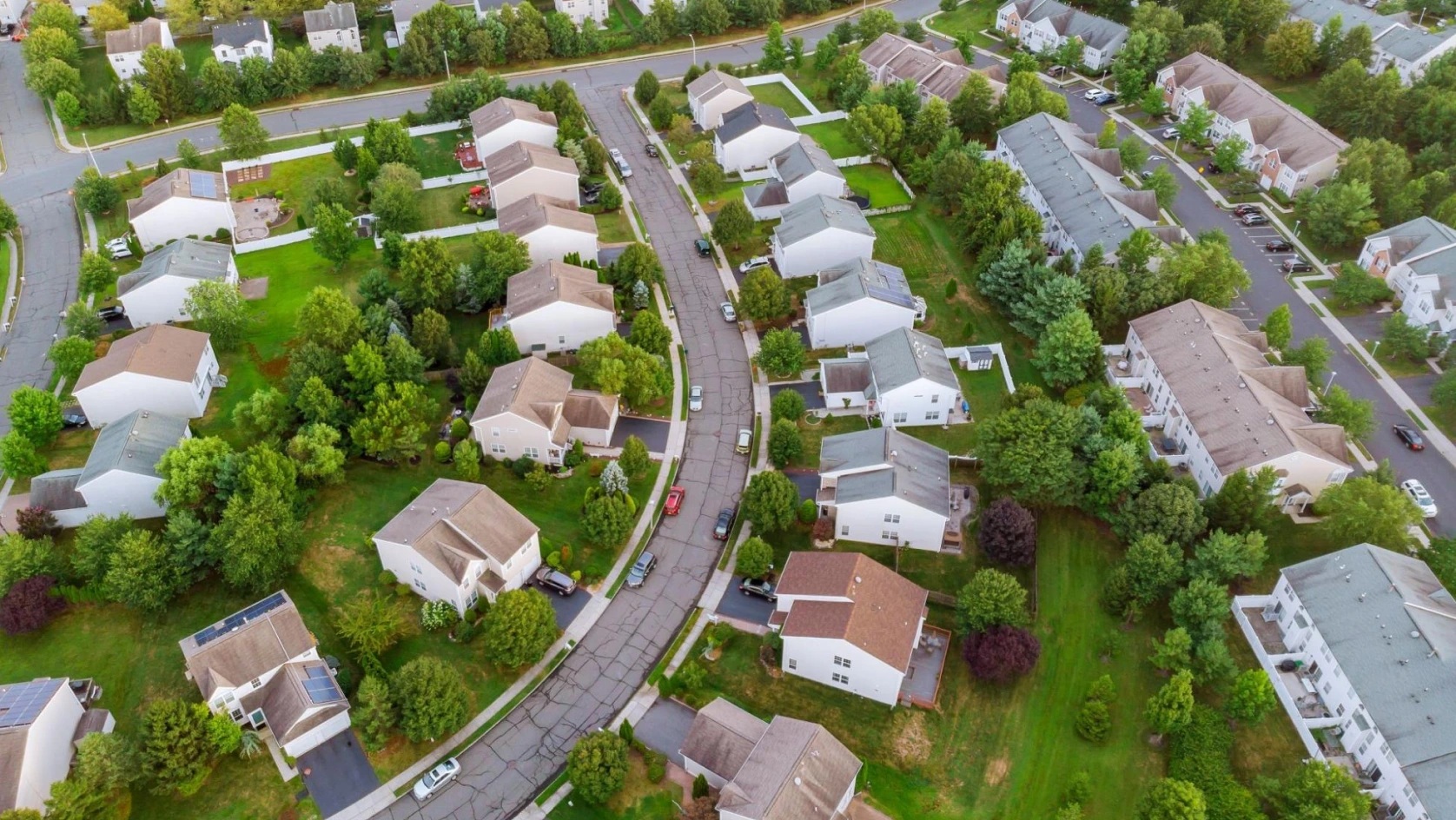
Rent is the single largest recurring expense for the approximately 36% of American households who rent rather than own their home. In many major cities, rental costs have grown dramatically faster than wages over the past decade—consuming an ever-larger share of income that could otherwise fund emergency savings, retirement contributions, or other wealth-building activities. Understanding how rent varies by city and what it means for financial planning is essential context for both working-age savers and retirement-planning retirees.
Reference: https://www.plootus.com/rent-by-city
The National Rental Market Landscape
According to Zillow and Census Bureau data, the national median rent for a one-bedroom apartment in 2024 is approximately $1,500/month ($18,000/year). But this national figure obscures enormous variation—from under $700/month in rural Midwest markets to over $3,500/month in San Francisco or Manhattan.
Rent by Major City: The Data
Approximate median rent for a one-bedroom apartment in major U.S. cities (2024 data):
San Francisco, CA: $3,200–$3,800/month
New York City, NY: $3,000–$3,700/month
Boston, MA: $2,800–$3,200/month
Seattle, WA: $2,200–$2,600/month
Los Angeles, CA: $2,200–$2,700/month
Denver, CO: $1,700–$2,100/month
Dallas, TX: $1,400–$1,800/month
Phoenix, AZ: $1,300–$1,600/month
Atlanta, GA: $1,500–$1,900/month
Memphis, TN: $900–$1,200/month
Oklahoma City, OK: $800–$1,100/month
The 30% Rule and Reality
Financial advisors traditionally recommend spending no more than 30% of gross income on housing. At the national median rent of $1,500/month ($18,000/year), a renter needs to earn at least $60,000/year to stay within this guideline. In San Francisco, where a one-bedroom may cost $3,500/month, the 30% threshold requires $140,000/year—far above the local median income.
The inevitable consequence: many urban renters spend 35–50% or more of their income on housing, leaving little for retirement savings or emergency funds. This is not a behavioral failure—it's a structural constraint imposed by a housing supply shortage that has outpaced population growth in desirable cities.
Renting in Retirement: A Growing Phenomenon
An increasing number of retirees choose to rent rather than own—either because they never bought a home, sold their home to unlock equity, or prefer the flexibility of renting without maintenance obligations. For retirees, rental costs represent a major budget component that is:
Variable: rents can increase with lease renewals, creating income uncertainty for those on fixed incomes
Not equity-building: unlike homeownership, rent payments don't build an asset that compounds over time
Flexible: renting allows geographic mobility without the transaction costs and complexity of selling a home
The Rent vs. Buy Retirement Decision
For people approaching retirement who currently rent, the decision to buy a home before retiring is complex. Homeownership eliminates rent payment risk but introduces maintenance costs, property taxes, and reduced liquidity. A mortgage-free home in retirement is a powerful financial asset; a highly leveraged home purchase close to retirement can be risky if asset appreciation doesn't materialize.
Geographic Arbitrage for Renters
For renters specifically—without the homeownership asset that makes relocation financially complex—geographic arbitrage is particularly accessible. A retiree renting in San Francisco at $3,500/month who moves to Phoenix at $1,400/month immediately saves $25,200/year. At a 4% portfolio withdrawal rate, that savings is equivalent to having an additional $630,000 in retirement assets. The math for mobile retirees is compelling.
Understanding rent costs by city isn't just useful for planning where to live—it's essential context for evaluating savings rates, retirement location decisions, and the real cost of the lifestyle choices made during working years.