The Role of Tax Planning in Retirement: How to Minimize Your Tax Burden
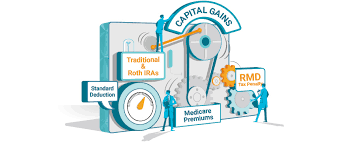
Tax planning is a vital component of retirement strategy, providing retirees with opportunities to lower their tax burden and maximize income. With proper planning, individuals can coordinate withdrawals, diversify account types, and use current tax laws to preserve wealth, ensuring more financial security throughout retirement.[1][2][3][4][5]
Why Tax Planning Matters in Retirement
Retirement often brings changes in income streams—including Social Security, pensions, retirement account withdrawals, and investment income—that are taxed in different ways. Lacking a tax strategy can result in avoidable taxes that erode retirement savings. Starting tax planning early—even years before retirement—can dramatically reduce future tax liability and extend the life of one’s nest egg.[2][6][1]
Understanding Retirement Income and Tax Impact
Sources of Retirement Income
Tax-deferred accounts: Traditional IRAs, 401(k)s are taxed as ordinary income on withdrawal.[6][1]
Tax-free accounts: Roth IRAs and Roth 401(k)s offer tax-free qualified withdrawals.[4][1]
Taxable accounts: Brokerage or savings accounts; capital gains and dividends may be taxed at favorable rates or zero up to certain limits.[5][2]
Social Security: Up to 85% may be taxable depending on total income.[1][6]
Knowing future tax rates, withdrawal schedules, and the mix of accounts is the first step in planning.[4][1]
Smart Strategies to Minimize Retirement Taxes
Tax Diversification
Diversify retirement assets across tax-deferred, tax-free, and taxable accounts for maximum withdrawal flexibility. Withdrawals can be “sequenced” each year—drawing from accounts in a strategic order to keep income in lower tax brackets.[2][1][4]
Maximizing the 0% Capital Gains Bracket
For 2025, retirees can leverage the $30,000 standard deduction and $96,700 0% long-term capital gains bracket (married filing jointly), allowing withdrawals from brokerage accounts without federal tax, up to key thresholds. Filling the 0% bracket and strategically timing asset sales can lead to years of tax-free withdrawals if planned carefully.[2]
Roth Conversions
Converting traditional IRAs/401(k)s to Roth accounts before required minimum distributions (RMDs) begin (generally at age 73) can result in years of future tax-free income. Roth conversions are most advantageous when in lower tax brackets and before expected income rises.[3][7][4]
Required Minimum Distributions (RMDs)
RMDs from traditional accounts must begin by age 73 and are fully taxable. Plan ahead to avoid large, mandatory withdrawals that push you into higher brackets. Qualified charitable distributions (QCDs) can satisfy RMD requirements while lowering taxable income for those over age 70½.[5][1]
Tax-Efficient Portfolio Withdrawals
Withdraw from taxable accounts first so tax-deferred funds continue to grow; harvest tax losses when markets dip to offset gains, reducing overall liability. Always balance withdrawals to avoid unnecessary bracket “creep” or capital gains taxes.[5][2]
Healthcare and Other Tax Deductions
Medical costs rise in retirement and may create opportunities for tax deductions. Maximize Health Savings Account (HSA) contributions during working years—HSA withdrawals for qualified medical expenses remain tax-free. Keep detailed records to claim medical expense deductions when itemizing.[4][5]
Annual Reviews and Professional Guidance
Tax laws, brackets, and withdrawal rules change frequently—2025 brings new contribution limits, expired provisions, and evolving IRS guidance that can dramatically alter retirement taxes. Annual review of retirement assets, distribution schedules, and tax status is essential. Seek advice from qualified professionals for complex strategies such as Roth conversions, timing RMDs, or multi-account withdrawals.[7][8][3][1][5]
Most Critical Information
Tax planning before and during retirement can significantly reduce your tax burden and extend your savings.[1][4]
Diversify assets across tax-deferred, tax-free, and taxable accounts for greater withdrawal flexibility.[1][4]
Strategically time withdrawals, using tax-efficient sequencing to fill low tax brackets and maximize the 0% capital gains threshold.[2][5]
Consider Roth conversions to build tax-free income, especially before RMDs start or before tax rates rise.[3][7]
Plan RMDs and use QCDs to manage taxable income and avoid high brackets after age 73.[5][1]
Leverage HSAs and record medical expenses to claim additional deductions.[4][5]
Annual reviews and professional advice are necessary as tax laws and personal circumstances change.[3][1]
Actionable Takeaways for Retirees
Proactive tax planning is a key differentiator in successful retirement management. Steps to reduce taxes and optimize withdrawals include:[1][2]
Strategically order withdrawals from various accounts to keep income low and maximize tax treatment.[2][5]
Build and use Roth accounts for tax-free retirement income—the earlier, the better.[3][4]
Consider tax-efficient investing and asset location, balancing between account types.[1][2]
Use deductions (medical expenses, standard deduction, and capital gains brackets) to cut taxes on retirement income.[5][2]
Model expected income and review your tax plan annually, adjusting for changing tax rules and personal needs.[8][3]
Consult tax professionals or retirement advisors to navigate complicated withdrawal strategies and changing legislation.[3][1]
By prioritizing an integrated tax planning approach in retirement, individuals can protect more of their savings, enjoy greater financial flexibility, and realize more of their retirement goals.[4][5][1]
_____________________________________________________________________________________________________________________________________________________________________________________________________________________________________________________
https://www.cfp.net/news/2025/03/2025-tax-changes-could-upend-retirement-and-legacy-plans
https://www.northwesternmutual.com/life-and-money/tax-planning-strategies-for-retirement/
https://turbotax.intuit.com/tax-tips/retirement/tax-tips-after-you-retire/L6DBVFZ25
https://www.fidelity.com/learning-center/personal-finance/tax-moves
https://www.aol.com/articles/4-end-tax-planning-strategies-200111987.html
https://www.morganstanley.com/articles/retirement-investing-tax-efficient-strategies